
 Buy now, Pay later
How Often Should You Change Your Mattress? The 2026 Guide to Better Sleep
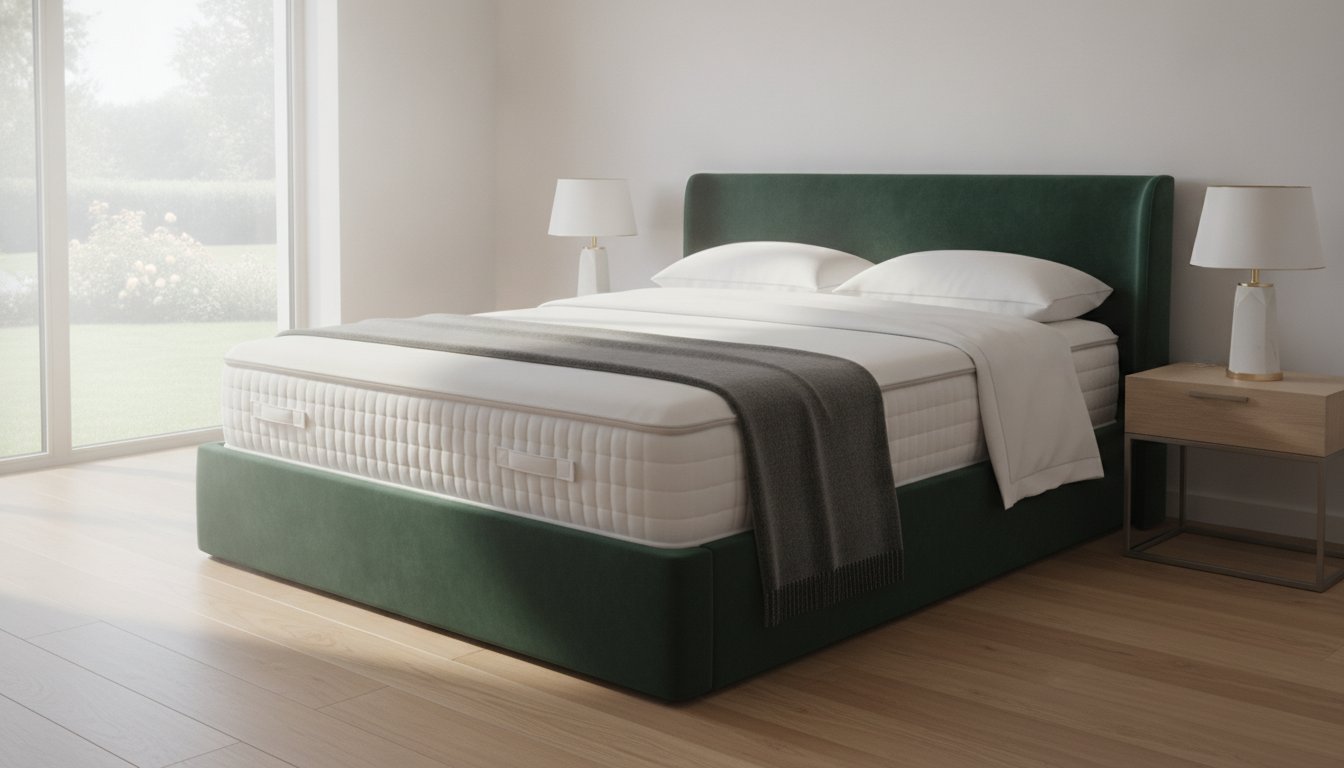
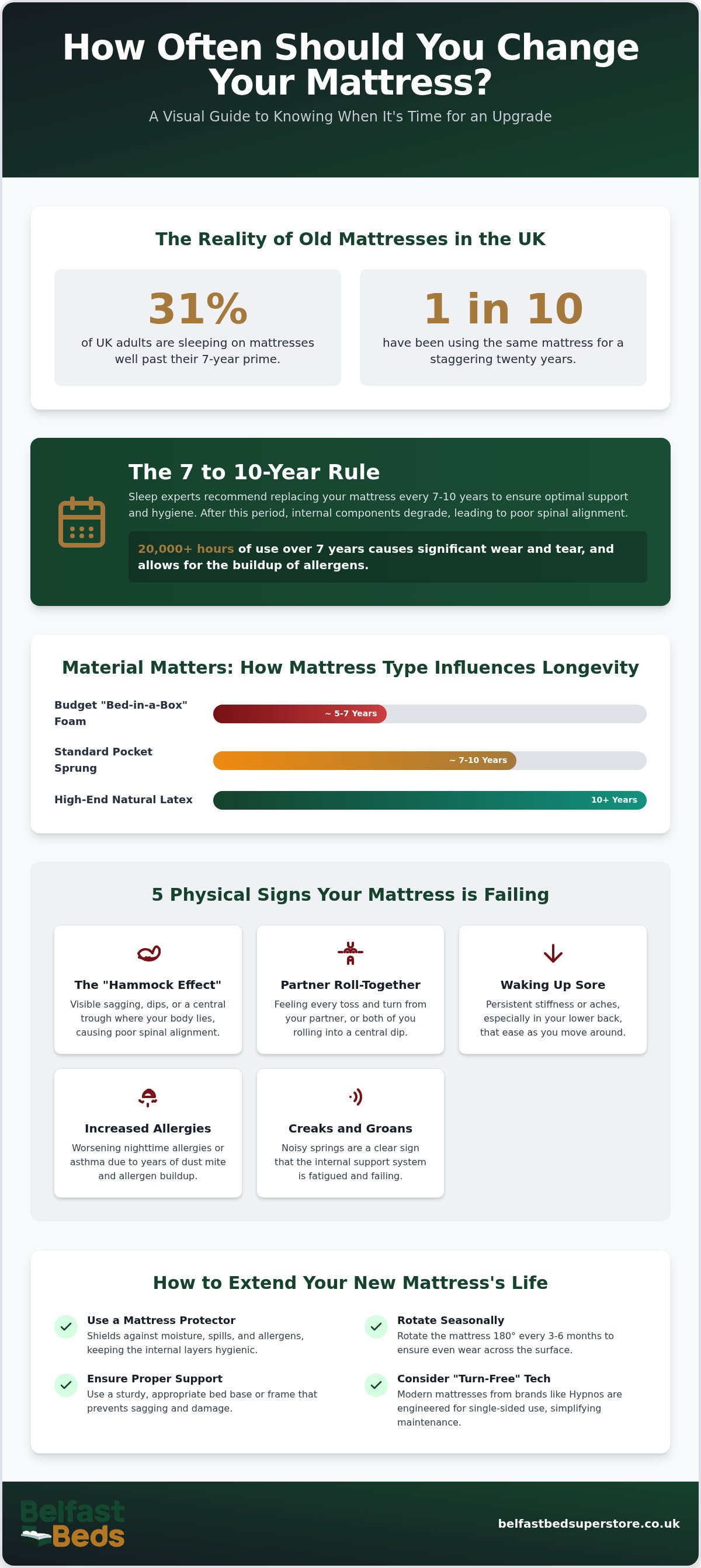
Did you know that 31% of UK adults are still sleeping on mattresses well past their seven-year prime, with one in ten of us clinging to the same bed for twenty years? While it's easy to overlook the piece of furniture you spend a third of your life on, your body usually knows the answer to how often should you change your mattress long before you do. If you're waking up in Cambridge with a stiff lower back or noticing that your morning allergies feel more like a persistent cold, your mattress might be waving a white flag.
We understand that parting with a familiar bed feels like a chore, especially when you're worried about the hassle of disposal or the complexity of modern materials. You deserve to wake up feeling refreshed rather than restricted by stiff joints or visible sagging. In this 2026 guide, we'll show you the clear physical and structural signs that it's time for an upgrade. We'll also explore how modern turn-free technology from brands like Hypnos and Sealy is making mattress maintenance much simpler for local households. From identifying hidden dust mite build-up to understanding the lifespan of different materials, you'll gain the clarity needed to transform your nightly rest and improve your physical well-being.
Key Takeaways
- Learn why the 7 to 10-year window is the industry standard and how to tell if your specific mattress type has reached its natural limit.
- Identify the subtle physical cues, from the "hammock effect" to partner roll-together, that prove your current bed is failing your health.
- Discover how modern turn-free engineering from luxury brands like Hypnos simplifies your life while providing superior, long-lasting support.
- Master the essential maintenance habits, including seasonal rotation and moisture protection, to keep your investment in peak condition.
- Find out how often should you change your mattress to protect your physical health and how our Cambridge showroom helps you find the perfect match risk-free.
Understanding the Lifecycle: Why 7 to 10 Years is the Magic Number
We've all been there; clinging to a familiar old bed because it feels like home. However, mattresses are essentially hard-working shock absorbers that undergo significant mechanical stress every single night. Over a decade, the internal components simply lose their ability to push back against your body weight. This gradual softening leads to poor spinal alignment, which is often the culprit behind that nagging ache in your lower back. Knowing how often should you change your mattress is the first step toward reclaiming your morning energy.
The Sleep Council suggests that after seven years, a mattress has likely lost a significant portion of its original support. While some high-quality builds might stretch to ten years, the "replacement window" usually opens well before the springs actually start poking through the fabric. Your body weight and sleep frequency play huge roles here too. A guest bed in a spare room in Ely will naturally outlast the primary mattress used every night in a busy family home.
The Seven-Year Rule: Why Sleep Experts Recommend Regular Updates
Think about the sheer volume of work your bed does. Over seven years, the average mattress endures roughly 20,000 hours of use. During this time, it doesn't just provide support; it also absorbs moisture and shed skin cells. This environment can become a breeding ground for dust mites, which often trigger nighttime allergies and disrupt your breathing. According to Sleep Council guidelines, you should aim to replace your mattress every seven to eight years to ensure you're getting the best possible support and hygiene. To understand the complexity behind these layers, you can learn more about mattress construction and how different materials react to long-term pressure.
Several factors can accelerate this timeline:
- User Weight: Heavier pressure compresses comfort layers more quickly.
- Sleep Habits: Sitting on the edge of the bed or kids jumping on the mattress causes localized damage.
- Maintenance: A lack of regular rotation can lead to permanent indentations.
Material Matters: How Mattress Type Influences Longevity
Not all beds are created equal, and the type of material inside dictates how often should you change your mattress. Pocket sprung models offer excellent breathability for our often-humid Cambridgeshire climate, but the springs eventually fatigue. In contrast, many budget "bed-in-a-box" options use lower-density polyurethane foams that can lose their shape much faster than traditional builds, whereas heritage craftsmanship—such as that found in a matelas fabriqué au québec—focuses on long-term structural integrity.
If you're looking for maximum longevity, natural latex is the gold standard. Brands like Dunlopillo mattresses are famous for their resilience, often maintaining their supportive properties for significantly longer than standard foam or entry-level spring systems. While the initial investment might be higher, the cost-per-year of a durable latex or high-end pocket sprung mattress often provides better long-term value for our local customers.
Physical Signs Your Current Mattress is Failing Your Health
Your body is often a more reliable witness than your calendar. While knowing how long mattresses typically last provides a useful baseline, physical symptoms are the true indicators that your support system has collapsed. If you find yourself rolling into the centre of the bed or struggling to find a flat spot, you're experiencing the "hammock effect." This central dipping occurs when the core springs or foam layers lose their elasticity, forcing your spine into an unnatural curve all night long. Identifying these changes is the most practical way to determine how often should you change your mattress.
Partner disturbance is another red flag. In a healthy mattress, movement should be isolated. If you can feel every toss and turn from your partner, or if you both naturally gravitate toward a dip in the middle, the internal structure is fatigued. This "roll-together" isn't just annoying; it's a sign that the mattress can no longer provide independent support. Similarly, listen for creaks or groans when you move. These sounds are the literal cries of metal fatigue within the spring unit, suggesting the steel has lost its tempered strength.
The most telling diagnostic tool is the morning stiffness test. Pay close attention to how you feel in the first 15 minutes after waking up. If you feel like you've aged twenty years overnight but find that the pain vanishes after a hot shower and some light movement, your mattress is likely the culprit. This mismatch between your body's needs and the bed's support is the clearest answer to how often should you change your mattress.
Morning Aches and Pains: The Health Cost of an Old Bed
When your mattress fails to keep your spine neutral, your muscles stay "on" all night trying to compensate for the lack of support. This leads to chronic lower back issues and sharp pressure point pain in your hips or shoulders. If you're struggling with these symptoms, Sealy mattresses are specifically engineered to provide zoned orthopaedic support, targeting the areas where your body needs it most to prevent morning stiffness.
Visible Wear vs. Invisible Hygiene Issues
In East Anglian homes, where older properties can sometimes hold more moisture, hygiene is a vital consideration. Staining or a damp smell can indicate moisture damage that compromises the upholstery layers. Beyond what you can see, allergens like dust mites accumulate in old fibres, often flaring up respiratory issues or skin sensitivities. Finally, check the edges. If you feel like you're going to slide off the bed when sitting on the side, "edge-roll" has set in, meaning the border wire or foam encasement has failed. If these signs sound familiar, it might be time to visit our Cambridge showroom to experience what modern support actually feels like.
What is a Turn-Free Mattress and Does It Last Longer?
Gone are the days when maintaining a bed felt like a weekly weightlifting session. A turn-free mattress is a single-sided sleep system specifically engineered to provide consistent, high-level support without ever needing to be flipped over. This innovation has become the standard for many luxury brands because it allows for a more focused and sophisticated construction. Instead of splitting comfort layers between two sides, manufacturers can concentrate premium materials on one dedicated sleeping surface. While you might wonder about how often should you change your mattress if it's only single-sided, the reality is that modern engineering has made these models incredibly durable and resilient. For instance, LivMattresses uses a hybrid approach, combining robust pocket springs with high-density memory foam to create a maintenance-free sleep surface that doesn't compromise on luxury or longevity.
The primary benefit of a no-turn design is the reinforced base layer. Because the mattress only ever sits one way, the bottom can be built with extra-strong materials that act as a stable foundation for the comfort layers above. This prevents the internal components from shifting or degrading as quickly as they might in a double-sided model that's frequently moved. If you've already noticed signs it's time to replace your mattress, such as localized dipping or a lack of edge support, switching to a turn-free design could be a game-changer for your physical comfort and your daily routine.
The Technology Behind No-Turn Designs
Modern turn-free beds use graduated pocket springs that are specifically tuned to provide support from the bottom up. These springs work in harmony with high-density comfort layers, such as natural wool, silk, or latex, which are designed to resist permanent compression over years of use. Essentially, a turn-free mattress is a purpose-built solution for modern maintenance-free living, offering the same luxury feel as traditional builds without the physical strain of flipping a heavy king-size bed every few months.
Comparing Single-Sided vs. Double-Sided Comfort
Traditional double-sided mattresses are still popular for those who enjoy the ritual of flipping their bed, but they do require significant physical effort. Many Hypnos mattresses now feature turn-free options that combine the brand's heritage craftsmanship with this modern convenience, making them ideal for older sleepers or those with back concerns. It's vital to distinguish between "Turn-Free" and "Rotate-Only" models in your maintenance schedule. While you don't flip a turn-free mattress, we still recommend rotating it 180 degrees every few months to ensure even wear across the surface. This simple step helps maintain the integrity of the materials, ensuring you won't have to ask how often should you change your mattress sooner than necessary. By choosing a high-quality no-turn model, you're investing in a bed that prioritises your rest over your chores.
How to Extend the Life of Your Mattress in Cambridgeshire Homes
Investing in a high-quality bed is a significant step toward better health, but the care you provide afterward determines the true value of that investment. While we've discussed the general guidelines for how often should you change your mattress, proactive maintenance can often stretch that timeline toward the ten-year mark. The most effective tool in your arsenal is a high-quality mattress protector. It acts as a vital barrier against moisture and skin cells, which otherwise seep into the upholstery layers and cause the internal fillings to clump or degrade prematurely. By keeping the core dry and clean, you preserve the structural integrity of the comfort layers for much longer.
Rotation is another essential habit that many sleepers overlook. Even for the modern turn-free designs we mentioned earlier, rotating the mattress 180 degrees every three months is crucial. This practice ensures that body weight is distributed evenly across the spring unit over time, preventing the permanent "settling" of fillings in one specific spot. It's also a good idea to strip the bedding once a week and leave the mattress to air for several hours with the windows open. This simple act of ventilation helps dissipate body heat and moisture, making the environment less hospitable for dust mites.
Ventilation and Moisture Control in East Anglian Homes
Many of our local customers live in beautiful older Cambridge terraced houses, which can sometimes struggle with higher humidity levels. In these environments, moisture control is paramount to prevent mould growth within the mattress layers. Choosing beds with natural fillings is a brilliant strategy for these homes. Materials like wool and cotton are naturally breathable and wick moisture away from the body far more effectively than synthetic foams. You can see excellent examples of this in the range of Relyon Mattresses, which utilise traditional craftsmanship to ensure superior airflow and temperature regulation.
The Role of a Quality Divan Base in Mattress Support
It's a common mistake to pair a brand-new mattress with an aging bed base. An old divan that has lost its tension will cause a new mattress to sag almost immediately, effectively halving its lifespan. Whether you prefer a sprung edge divan for a softer feel or a platform top for firmer support, the foundation must be level and structurally sound. When updating your sleep setup, ensuring your bedroom furniture in Cambridge provides a solid, ventilated surface is just as important as the mattress itself. If you're unsure whether your current base is up to the task, browse our latest divan and bedstead collections to find a supportive foundation that helps you get the most out of your new mattress.
Upgrading Your Sleep: How We Help Cambridge Residents Find the Perfect Match
Deciding how often should you change your mattress is only half the journey; the next step is ensuring your new investment provides the restorative rest you've been missing. We've been a family-run business since 1990, and we've learned that sleep is deeply personal. What works for a neighbor in Cherry Hinton might not provide the right support for someone in Trumpington. That's why we believe in a guided, pressure-free experience that prioritizes your long-term comfort over a quick sale. Our team acts as friendly local experts, helping you navigate the technical specifications of modern sleep systems so you can feel confident in your choice.
We know that the prospect of choosing a new bed can feel overwhelming. To make the transition easier, we offer a 30-night sleep trial on our mattresses. This gives you the peace of mind to settle into your new routine, knowing that if the tension isn't quite right, we're here to help you find a better fit. It's our way of removing the risk and ensuring that once you've identified how often should you change your mattress, the replacement process is as smooth and rewarding as possible.
Expert Guidance at Our Cambridge Showroom
While online reviews offer a starting point, they can't replace the "lay-down" test. We encourage you to visit our showroom to experience the physical sensation of different materials firsthand. You can compare the targeted support of Sealy mattresses against the traditional, hand-tailored feel of Relyon mattresses side-by-side. Our sleep specialists are trained to match mattress tension to your specific body weight and sleeping position, ensuring your spine remains perfectly aligned throughout the night. This personal touch is something national online retailers simply can't replicate.
Stress-Free Removal and Recycling Services
The logistics of replacing a bed shouldn't keep you awake at night. We provide a comprehensive "White Glove" delivery service across Cambridgeshire, which includes professional assembly of your new bed frame or divan in the room of your choice. We also take care of the heavy lifting by offering a professional recycling service for your old mattress. We ensure it's disposed of in an environmentally responsible way, following all UK bulky waste regulations. This end-to-end support means you can focus entirely on enjoying your improved lifestyle. If you're ready to wake up feeling refreshed, visit our Cambridge store today to find your perfect 10-year sleep solution.
Take the First Step Toward Better Mornings
Your health and well-being are too important to leave to a sagging, decade-old mattress. We've explored how physical cues like morning stiffness and visible dipping are the clearest signs that your bed's lifecycle has ended. By embracing modern turn-free designs and maintaining a solid foundation, you can ensure your next investment provides restorative rest for years to come. While the 7 to 10-year guideline is a helpful industry standard, knowing how often should you change your mattress ultimately depends on your personal comfort and the quality of your sleep.
As a family-run business established in 1990, we take pride in helping our neighbours find the perfect fit. We're proud official stockists of premium brands like Hypnos and Sealy, and we offer a 30-night sleep trial to ensure your choice is exactly right for your needs. If you're ready to transform your nights, find your perfect night’s sleep at Belfast Bed Superstore. We're here to guide you every step of the way toward the refreshing, pain-free rest you deserve.
Frequently Asked Questions
How often should you change your mattress according to the Sleep Council?
The Sleep Council recommends replacing your mattress every seven to eight years to maintain optimal support and hygiene. Over this period, a bed typically endures about 20,000 hours of use, leading to natural material degradation. While high-quality models might feel comfortable for longer, the invisible build-up of allergens and the loss of spring tension mean your sleep quality often declines after this window has passed.
What is a turn-free mattress and how does it work?
A turn-free mattress is a single-sided sleep system designed with all comfort layers concentrated on the top surface. It works by using a reinforced base layer that provides a stable foundation, removing the need to flip the heavy mattress over. These designs are engineered to resist permanent compression, making them a practical choice for those who want luxury comfort without the physical strain of traditional maintenance routines.
Do I ever need to turn a Hypnos mattress?
Whether you need to turn a Hypnos mattress depends entirely on if you've chosen a seasonal turn or a turn-free model. While turn-free designs never require flipping, you should still rotate them 180 degrees every few months to ensure even wear. If you have a traditional double-sided Hypnos bed, flipping it seasonally helps the natural fillings settle evenly and extends the life of the supportive pocket springs.
Can an old mattress cause back and neck pain?
An old mattress is a very common cause of back and neck pain because it fails to keep your spine in a neutral position. When support layers soften or springs fatigue, your body sinks into a "hammock" shape, forcing muscles to stay active all night to compensate. If you're wondering how often should you change your mattress, waking up with persistent stiffness is a clear signal.
What are the signs that my mattress is worn out internally?
Internal fatigue often manifests as creaking or groaning sounds when you move, indicating that the steel springs have lost their tempered strength. You might also notice "roll-together," where you and your partner naturally gravitate toward the centre of the bed. Even if the surface looks flat, a loss of resilience in the core materials means the mattress can no longer push back effectively against your body weight.
Does using a mattress protector extend its lifespan?
Using a high-quality mattress protector is one of the best ways to extend your bed's lifespan. It prevents perspiration, skin cells, and accidental spills from reaching the internal upholstery, which can otherwise cause natural fillings to clump and degrade. By keeping the interior dry and hygienic, you protect the structural integrity of the mattress and maintain a healthier sleep environment for many years to come.
Is it worth buying a turn-free mattress over a traditional one?
Buying a turn-free mattress is definitely worth it if you want to avoid the heavy lifting associated with traditional beds. Modern no-turn technology uses high-density materials that provide the same level of support as double-sided models but with much less maintenance. They are particularly beneficial for anyone with back issues or those who simply prefer a more straightforward routine without sacrificing a luxury feel.
How do I dispose of an old mattress in Cambridge?
You can dispose of an old mattress in Cambridge through the Greater Cambridge Shared Waste service, which currently charges £40 for the collection of up to three bulky items. Alternatively, we offer a professional recycling service when you purchase a new bed from us. This ensures your old equipment is handled according to UK bulky waste regulations, saving you the hassle of coordinating council collections or visiting a centre.